
Grief and Loss
Understanding Grief, Healing and Hope
Joanne Harrison
7/8/202619 min read
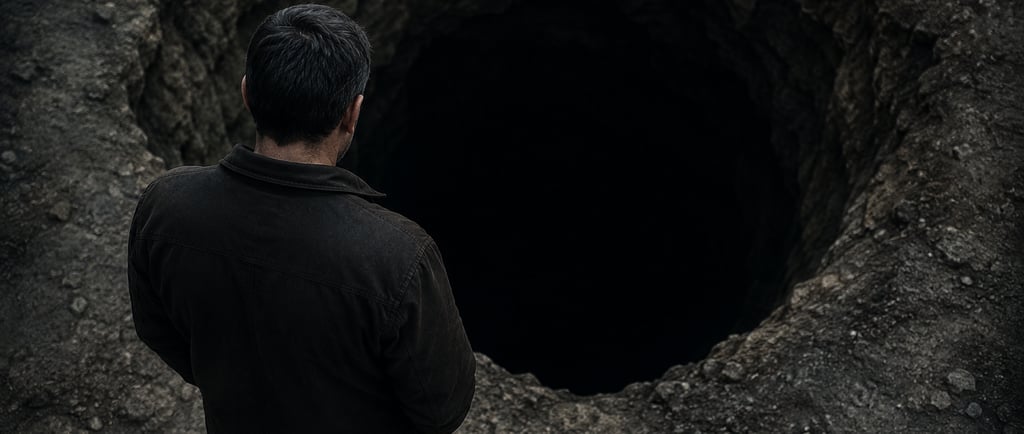
Grief and Loss Therapy: When the World No Longer Feels the Same
If you've found yourself here, I'm sorry.
Perhaps you've recently lost someone you love a parent, a partner, a child, a grandparent, a friend, or a much-loved animal who shared your everyday life. Perhaps it happened suddenly, or perhaps you've been living with anticipatory grief for months or years. Whatever brought you here, you're probably not just searching for grief therapy. You're searching for relief. For answers. For a way to wake up and find the pain has eased. Perhaps part of you wishes this had never happened at all.
Many people come to me hoping to discover the one thing that will make grief disappear. They want to know how long it will last, whether what they're feeling is normal, and whether they'll ever feel like themselves again. These are deeply human questions.
Grief is one of the most profound experiences we will ever face. It reaches far beyond sadness it changes our routines, our relationships, our sense of safety, and often our identity. If you're wondering why everything feels so different, there is nothing wrong with you. Grief is not a sign that you're failing. It is a reflection of love, attachment, and the importance of the relationship you've lost.
As a therapist, I don't believe grief is something to be fixed or rushed through. It isn't an illness with a timetable, and there's no moment when someone can tell you that you should be "over it." Every person's grief is different because every relationship is different.
In the early days, many people don't need structured therapy. They need somewhere they don't have to be strong somewhere they can talk about the person they love without worrying about upsetting anyone else, and say the things they haven't been able to say anywhere else. Sometimes the first step isn't finding answers. Sometimes it's simply having someone who can sit with you while your world no longer makes sense.
My role isn't to take your grief away, because nobody can do that. My role is to walk alongside you while you begin to understand what has happened, what grief is doing to your mind and body, and how life can slowly become safe again. Not the life you had before, but a life that can hold both your love for the person you've lost and the person you are gradually becoming.
You do not have to carry this alone.
What Is Grief, really?
Grief is one of the few experiences every human being will encounter, yet it's one of the least understood. We often speak about it as something to recover from, like a broken bone people ask "how long will it last?" or "when will I get over it?", as if grief follows a neat timeline with an ending that signals life has returned to normal.
In my experience, it doesn't work like that. Grief is not something to fix. It is not a weakness, and it is not a sign that you're failing to cope. It is the natural response to losing someone or something that mattered deeply to you as much a part of being human as loving, laughing, or forming relationships. If we allow ourselves to love, we also accept that one day we may have to grieve.
No two people grieve the same loss in the same way. Even within the same family, each person's experience can be completely different, because grief is shaped not only by who we've lost, but by the relationship we shared, our personality, our life experience, our support network, and the meaning that person held in our lives.
One of the greatest misunderstandings about grief is the belief that the goal is to return to the person you were before the loss. I don't believe that's possible. When someone significant dies, your world changes: the dreams you held for the future may disappear, daily routines vanish, the person who helped shape your sense of safety is no longer there, and your identity begins to shift. This isn't because you're doing grief incorrectly it's because your life has been permanently altered. The person you were before your loss lived in a world where that relationship still existed. The person you are now is learning to live in a different one, and that takes time for your mind, body, and heart to adjust to.
This is why I don't see the purpose of grief as "moving on." The aim isn't to forget, to stop loving, or to erase the pain it's to gradually build a life that can hold both your love for the person you've lost and the reality of living without them physically beside you. Over time, life begins to grow around the loss, not because the loss becomes smaller, but because you slowly become able to carry it differently. For some people that takes months. For others, years. There is no correct timetable. Grief has its own rhythm, and every person's journey deserves the time it needs.
Why Does Grief Hurt So Much?
One of the questions I'm asked most often is: "why does this hurt so much?" The answer isn't simply because someone has died it hurts because that person mattered. Over, years, or decades, the people we love become woven into the fabric of our everyday lives. Their voice, their routines, the way they made a cup of tea, the sound of their footsteps, the seat they always sat in, these ordinary moments become part of what feels safe, familiar and predictable. When that person dies, it only the relationship that changes. Your internal world changes too. It's the sudden disruption of a whole way of living: the future you imagined together disappears overnight, routines change, roles shift, and your sense of safety feels shaken.
Your Brain Is Still Looking for Them
Many people tell me they picked up the phone to call their loved one before remembering they had died. Others hear a key in the door and, for a split second, believe they're home. Some automatically buy their favourite food in the supermarket, or expect to see them in their usual chair. These experiences can feel frightening, but they're incredibly common. Your brain isn't "going mad" it's doing what it has always done. Our brains constantly predict what comes next based on repeated experience, and when you've spent years expecting someone to be part of your everyday life, those expectations don't disappear overnight. Gradually, with time, those predictions begin to change not because you've forgotten them, but because your brain is slowly learning a reality it never wanted to learn.
When Your Nervous System No Longer Feels Safe
Grief is not only emotional. It is physical. The people we love often become part of our sense of safety the person we turn to when life feels difficult, who reassures us, shares responsibilities, or simply sits beside us in silence. When they die, the nervous system loses one of its anchors. For some people this feels like constant anxiety; others describe feeling numb, restless, exhausted, forgetful, or unable to concentrate. Sleep becomes difficult, and even simple decisions can feel impossible. This isn't because you're weak. It's because your mind and body are adapting to a world that suddenly feels unfamiliar.
What Else Grief Takes from You
When someone dies, people often ask, "who did you lose?" It's an important question. But there's another one we rarely ask: "what else did you lose?" The answer is often far bigger than people realise. We don't only lose the person we lose the life that existed around them. The future we imagined. The conversations we thought we'd still have. The holidays and birthdays already pictured in our minds. The ordinary Tuesday afternoons that never seemed important until they disappeared. Grief is not only mourning a person it's mourning a future that can no longer unfold in the way we expected.
Our lives are built around relationships. Without realising it, we create routines, responsibilities and expectations around the people we love, a partner who shares everyday decisions, a parent we call when life feels difficult, a grandparent who provides stability and belonging, a dog who greets us every morning and walks beside us each evening. When that relationship ends through death, every one of those routines’ changes, and at first those changes can feel unbearable: the empty chair, the untouched coat, cooking for one instead of two, walking into a silent house. These are not small adjustments. They're reminders that the life you once knew has changed.
Grief also changes our identity, in ways that don't even have the right words. A husband becomes a widower. A wife becomes a widow. Parents who lose a child remain parents, yet the world no longer reflects that reality in the same way. An adult whose parents have died may realise they no longer have the people who knew them from the very beginning of their life. This is why so many people tell me, "I don't know who I am anymore" and they're not imagining it. The version of themselves that existed before the loss belonged to a different life.
One of the hardest truths about grief is that you can never replace the person who has died, and that isn't the goal. The goal is something quieter: over time, new routines begin to emerge, not because you've left your loved one behind, but because life continues to move. Making new memories is not a betrayal. Laughing again is not forgetting. What changes, slowly and gently, is your ability to carry both the memory of who they were and the life that still lies ahead of you. Both can exist together. That is not disloyalty it's one of grief's most courageous acts.
The Relationship Doesn't End. It Changes Where It Lives.
One of the biggest misconceptions about grief is that healing means letting go. I don't believe that. Grief asks us to do something different: to change the way we relate to the person we've lost, not to end the relationship.
When someone is alive, our relationship exists in the external world we speak to them, hug them, laugh together, share the ordinary moments that quietly become the fabric of everyday life. Then they die. The external relationship ends. The physical conversations stop, their chair becomes empty, the routines you built together are interrupted. That loss is real, and nothing in therapy should ever minimise it.
But the relationship itself doesn't disappear. It changes where it lives.
From the Outside to the Inside
Over time, the relationship gradually moves from the external world into your internal one. The love you feel has nowhere to go physically, yet it still exists. You still remember their laugh. You still hear their advice when making a difficult decision. Sometimes you still speak to them in your thoughts, or notice yourself living by values they taught you years ago. The relationship hasn't ended it has found a different home. This isn't about pretending they're still physically here; it's about recognising that the people we love become part of who we are, continuing to shape our choices, beliefs and the way we move through the world. Love doesn't disappear because someone dies. It changes its expression, and your heart learns to carry that relationship in a new way. That takes time, and it deserves compassion, not judgement.
Carrying the Relationship Forward
Many people worry that laughing again, or making new memories, means leaving their loved one behind. I don't see it that way. Your healing does not erase your love. The goal of grief isn't to stop remembering or loving it's to reach a place where remembering brings more warmth than suffering, where tears are still welcome but no longer the only way you remember, and where love can exist alongside peace.
People often tell me, "I don't know who I am anymore." That makes sense the person you were before your loss belonged to a life that no longer exists in the same way. You cannot go back. But that doesn't mean you cannot go forward. Healing isn't about choosing between the past and the future it's learning to hold both, carrying the relationship with the person who died while still allowing yourself to grow. That is the true work of grief: not ending the relationship, but learning to carry it differently. It cannot be rushed, but approached with kindness and patience, it allows love to remain not as constant suffering, but as a quiet, enduring presence that continues to shape your life.
The Tree After Lightning
Over the years, I've often searched for a way to describe grief that felt honest. Many metaphors suggest grief is something to climb over, walk through, or eventually leave behind. That has never quite reflected what I see in the therapy room. The image that returns to me is a tree.
Imagine a healthy, established tree standing in a field. Its roots run deep, its branches stretch confidently towards the sky, and its shape reflects every season and storm it has lived through. Then one day, lightning strikes. The tree is no longer the tree it once was its trunk bears a scar that will never disappear, and some branches may be lost forever. That is grief. When someone we love dies, something within us is struck just as profoundly. The life we knew changes. Our sense of safety and identity change. There is no returning to who we were before, because the world that person lived in no longer exists.
Many people spend months, sometimes years, trying to become the person they were before the loss I understand why, that life felt familiar and safe. But grief doesn't ask us to become who we were. It asks us to discover how to live as the person we are now. The scar is not evidence that you've failed to heal. It is evidence that you loved. Trees do not erase the mark left by lightning. Neither do people.
If you've ever seen a tree that survived storm damage, you'll know it continues to grow not in the same direction or shape, but it grows. New branches emerge around the wound; the scar remains visible, yet life continues. Grief is much the same. One part of your life continues to grow: you develop new routines, reconnect with people, find moments of laughter that no longer feel impossible, and begin to imagine a future, even one that looks very different from what you'd planned. But another part of the tree remains forever connected to the person who died holding the ordinary moments, the conversations, the lessons they taught you, the memories that still make you smile. It isn't a branch of suffering. It is a branch of love.
For me, this is what healing looks like: not cutting off the branch that holds your loved one, not pretending the lightning never struck, and not remaining frozen beside the wound forever. Healing is allowing both branches to exist together one carrying the relationship with the person you've lost, the other reaching towards life. Neither cancels out the other. They grow together. The scar remains. The love remains. And slowly, almost without noticing, so does life.
"Until you find your own hope, you can hold mine." That is how I think about grief not as something to conquer, but as something we learn to carry, with compassion, honesty, and the courage to keep growing.
What Grief Can Reveal About Ourselves
Grief changes us not only because someone has died, but because loss has a way of illuminating parts of ourselves that everyday life often keeps hidden. When life feels safe and predictable, we move through our routines without questioning them. Then grief arrives, and questions surface that may never have crossed our minds before: "who am I now?", "where do I belong?"
One thing I've noticed throughout my years working in mental health is that grief doesn't necessarily create all of our pain sometimes it reveals pain that was already there. Grief may awaken an old fear of abandonment, or expose years of putting everyone else's needs before your own. Family relationships that were manageable before the death may suddenly become strained; old sibling dynamics or long-held resentments can resurface, especially around wills, funerals or care arrangements. This doesn't mean something has gone wrong. It means grief has a way of shining a light into places we may never have looked before.
People sometimes say, "everything happens for a reason," or, "at least you've become stronger." I know these comments are usually meant kindly, but for many grieving people they can feel painful. I don't believe we need to be grateful for loss in order to grow the death of someone you love is not a gift, and there is nothing beautiful about the absence they leave behind. What I do believe is that, over time, many people discover strengths, compassion and resilience they never realised they possessed not because the loss was worthwhile, but because human beings have an extraordinary capacity to adapt, love and keep living, even when life has been irrevocably changed. Growth doesn't justify the loss. It simply honours the life that continues.
One of the central ideas in depth psychology is that difficult experiences can become turning points in our lives not because we would ever choose them, but because they ask us questions, we cannot ignore. This process is rarely quick, and it isn't linear: there are days when life feels manageable, followed by days when the sadness returns unexpectedly. That is not failure. In time, many people find they have not become the person they were before. They have become someone different someone who understands the value of ordinary moments, who loves more deeply because they know how precious relationships truly are, and who carries both joy and sorrow with greater compassion. Not because grief made them better, but because it invited them to know themselves more honestly. That, to me, is one of grief's quietest gifts.
What Therapy Looks Like: Walking Beside You Through Grief
You don't need to have the right words before you come to therapy. Grief is often messy it doesn't arrive in neat sentences or logical thoughts. Some people cry throughout a session; others apologise because they can't cry at all. Some want to talk about the person they've lost, while others find themselves talking about shopping, work or the weather before they can even begin to touch the grief. All of that is okay. There is no right way to grieve, and no right way to talk about it.
In the early stages, I don't believe people always need structured therapy. What they often need most is a safe place where they don't have to protect everyone else from their pain where they don't have to hear "you need to stay strong" unless that's a belief they already hold themselves. Sometimes the greatest gift we can offer is to witness someone's grief without trying to take it away. Being heard is healing in itself.
I don't see therapy as something I do to you. I see it as something we do together from the moment you walk through the door, we become a team. My role isn't to tell you how you should grieve, or to push you towards acceptance before you're ready. It's to walk beside you, help you understand what grief is doing to your mind and body, and gently guide you through the weeks that feel impossible until you feel able to carry more of that understanding yourself.
One of the ways I support clients is by helping them understand what's happening inside their brain and nervous system. Many people begin therapy believing something is wrong with them they can't concentrate, they forget conversations, they feel anxious for no obvious reason, they wake in the night. Learning that these are common responses to grief can be incredibly reassuring. Knowledge doesn't remove grief, but it can remove the fear that you're somehow grieving incorrectly.
People sometimes ask whether hypnotherapy can take grief away. The answer is no nor would I want it to. Grief is a reflection of love; it deserves to be respected, not erased. Instead, hypnotherapy can help calm an overwhelmed nervous system, improve sleep, reduce the constant state of alertness many grieving people experience, and create moments of rest when your mind has felt busy for far too long. When someone is no longer living in constant survival mode, they often find more emotional space to process their grief with compassion rather than fear.
Being solution focused doesn't mean looking for quick fixes, or pretending everything is fine. For me, it means gently helping you notice the small movements back towards life the day you answer a friend's message, the first time you enjoy a walk, the moment you laugh without immediately feeling guilty. These moments may seem small, but they matter. They are signs that your world is slowly beginning to open again.
You do not have to arrive feeling hopeful. You don't have to borrow optimism or pretend you're coping you only have to arrive exactly as you are. For a while, if you need to, you can hold my hope until you find your own. And when that day comes, you may discover something quietly remarkable: not that your grief has disappeared, but that it no longer feels as though it's carrying you. Instead, you have learned how to carry it with compassion, understanding, and the knowledge that you never had to walk the journey alone.
What Healing Really Looks Like
One of the greatest fears people bring into therapy is: "what if I never feel better?" When grief is at its most intense, it can feel as though this is how life will always be. But grief doesn't stay still. It changes not because the person becomes less important, but because, over time, your relationship with your grief begins to change.
In the early days, almost every memory hurts a photograph, a favourite song, a birthday, a place you visited together. Over time, the memories don't disappear, but they become easier to hold. The tears may still come, but alongside them there may also be gratitude, warmth and quiet reflection. You may find yourself smiling at something they used to say, or continuing traditions that mattered to them. The relationship remains.
One of the greatest acts of courage in grief is allowing yourself to live again. Many people feel guilty for laughing, for enjoying a holiday, for falling in love again almost as though happiness dishonours the person they've lost. I don't believe that's true. Living your life is not a betrayal. Love is not measured by how much we suffer, but by the relationships we continue to value and the way those we've loved continue to shape who we are.
Healing also isn't a straight line. You can have a wonderful day and still miss them desperately that evening. You can feel hopeful one week and heartbroken the next. None of this means you've gone backwards grief moves like the tide, and something small, a song, a smell, a photograph, can bring it rushing back without warning. That isn't a setback. It's part of loving someone who mattered deeply.
People sometimes imagine healing means reaching a day when grief disappears completely. In my experience, that day rarely comes. There will still be anniversaries, and moments that catch you by surprise. That isn't failure. That is love. Healing isn't the absence of grief it's discovering that grief no longer defines every moment of your life. It becomes one part of your story rather than the whole story, and your heart grows large enough to hold both your grief and your life at the same time.
If I had to describe healing in one sentence, it would be this: healing is learning to carry the relationship with the person who died not as constant suffering, but with increasing peace, understanding and compassion. That doesn't happen overnight, and it asks for patience and kindness towards yourself accepting that there will be good days, difficult days, and everything in between. The aim isn't perfection, or to stop grieving. It's to reach a place where you can look back with love, live in the present with purpose, and keep growing not because you've left the person behind, but because they will always be part of the life you continue to build.
Frequently Asked Questions About Grief and Loss
Is there a right way to grieve?
No. There's no universal timetable or "correct" way to grieve every relationship is unique, so every grief journey is unique too. Some people cry every day; others become quiet and withdrawn. You may feel anger one day and guilt the next. None of this means something is wrong. Instead of asking "am I grieving properly?", a more helpful question is "what do I need today?"
Will I ever stop missing them?
Most people never stop missing someone they truly loved but missing someone and living a meaningful life aren't opposites. Over time, the relationship moves from an external one to an internal one: you continue to carry their influence and the love you shared, even as the intensity of grief changes.
Why do I keep expecting them to come home?
This is one of the most common experiences after a significant loss reaching for the phone to call them, or expecting to hear their key in the door. It doesn't mean you're "going mad." Your brain has spent years expecting them to be part of your everyday life, and it takes time to adjust to a reality it never wanted to accept.
Why do I feel guilty when I laugh or enjoy myself?
Many grieving people believe happiness somehow dishonours the person they've lost. But love isn't measured by suffering laughing doesn't mean you've forgotten them. In time, allowing yourself moments of happiness can become one of the ways you honour the love that continues to exist.
Why has my personality changed?
Grief often changes our identity, because the person who died leaves behind a space that once shaped our routines and sense of self. Many people say, "I don't know who I am anymore" that feeling reflects the fact that your world has changed. Therapy isn't about becoming who you were before; it's about discovering who you are now.
Can grief cause anxiety?
Yes. Grief affects both mind and body racing thoughts, panic, poor sleep, muscle tension and a constant feeling of being on edge are common, often because the nervous system has lost one of its sources of safety. These responses don't mean you're weak or incapable of coping.
When should I seek therapy for grief?
There's no perfect time. Some people benefit from support in the first few weeks; others seek it months or years later, when life feels stuck or overwhelming. You don't need to wait until you're in crisis, or feel that your grief is "bad enough." Sometimes healing begins simply with discovering you don't have to carry everything alone.
A Final Thought
If you've read this far, perhaps something here has resonated with you the confusion, the exhaustion, the loneliness, or the questions grief so often brings. If so, I want you to know: there is nothing wrong with you. Grief is not a problem to solve or a weakness to overcome. It is the natural consequence of loving deeply. The relationship you had with the person you lost mattered that is why this, hurts.
Grief changes more than our emotions. It changes our routines, our sense of safety, our identity and our hopes for the future. That takes time, kindness, and above all, compassion for yourself. The aim isn't to forget, or to become the person you were before. It's to build a life that can hold both your love for the person who has died and the life that still lies ahead of you. Those two things are not in conflict. They can exist together.
If you're in the earliest days of grief, your only job may be to eat, drink, rest when you can, get dressed, and make it through the day. That is enough. If you're further along, perhaps your task is to notice the small moments when your world begins to open again. That is enough too. And if you're somewhere in between, uncertain of who you are now, I hope you'll remember this: stand where you are, take a slow breath, say your name, say where you are, and gently acknowledge your truth "I am going through the loss of..." Sometimes, before we can find our way forward, we need to remind ourselves that we are still here. Still breathing. Still standing. Still capable of taking one more step.
You may never stop loving the person you have lost, and I hope you never feel you have to. Instead, I hope that in time, the relationship you carry becomes one of peace, understanding and compassion rather than constant suffering. That doesn't mean the grief disappears it means your heart slowly learns how to carry it.
If you're considering therapy, you don't have to arrive with the right words, or a clear idea of what you need. You only have to come as you are. For a while, we can carry the weight together. And until you find your own hope, you can hold mine.
If you'd like support, you're welcome to explore my Grief & Loss Therapy service, where I explain how I work and what to expect from sessions.
It's not okay that this happened. But one day, you can be okay.
Thank you for reading, sending a big hug.
For more information this is a page on grief and loss
https://selfandshadowtherapy.co.uk/grief-support
If you would like therapy here is the booking and fee's page
https://selfandshadowtherapy.co.uk/fees-and-booking
For Practitioners Only, If the Tree of Truth metaphor resonated with you, you may also find my accompanying resource helpful, where I explore this framework in much greater depth for you to use in your therapy session with, you’re clients.
https://selfandshadowtherapy.co.uk/therapists-resources-and-scripts
Get in touch


Call
07841010092
© 2026. All rights reserved.
Online Hypnotherapy and Talking Therapy for Anxiety, Trauma, Grief and Personal Growth Across the UK
Grief and Loss Blog